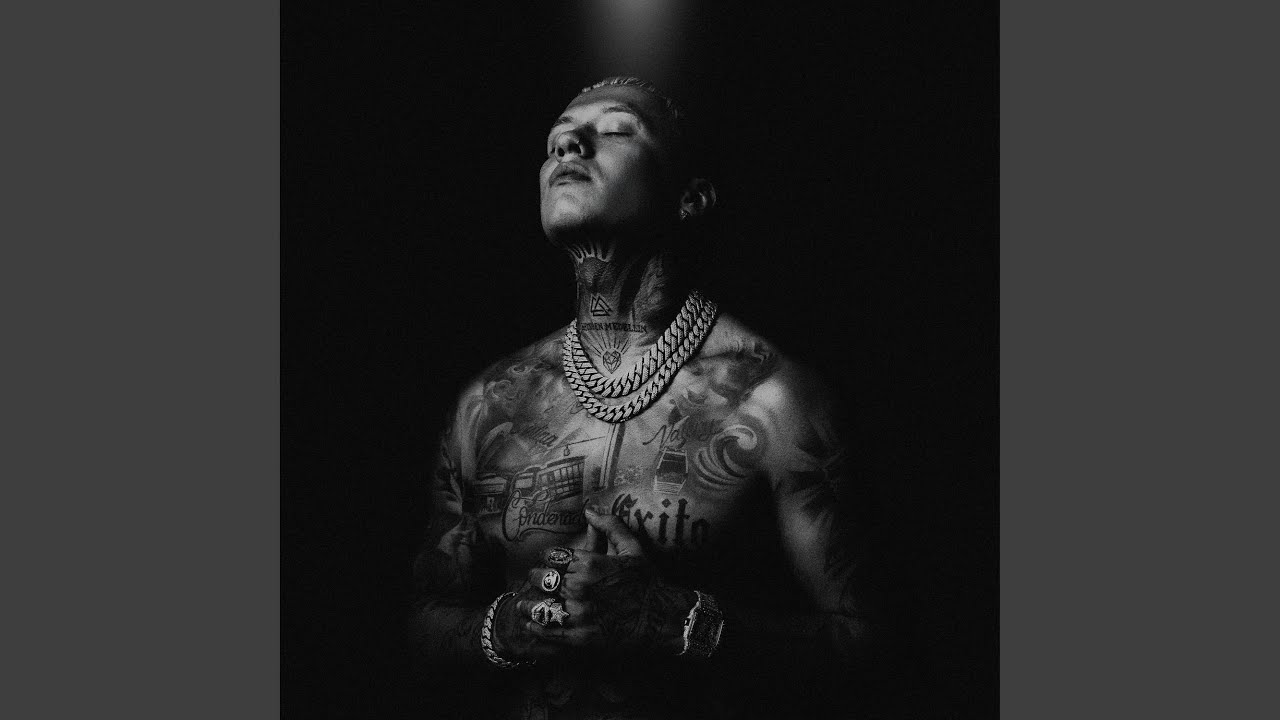


“Chimiyé” is a new french song by Aya Nakamura, released on Aya Nakamura’s official YouTube channel. Written and produced by Aya Nakamura, the track continues her signature style of blending infectious melodies with personal storytelling. The song, which does not belong to a specified album, presents a dynamic and playful energy, reflecting the artist’s charismatic and confident persona. With its catchy rhythm and distinctive lyrical delivery, “Chimiyé” immerses listeners in a vibrant and expressive musical experience.
At its core, “Chimiyé” explores themes of love, commitment, and independence. Aya Nakamura narrates a relationship dynamic where her partner envisions a stable future—symbolized by a home and children—while she remains elusive and resistant to settling down. Through witty wordplay and assertive verses, the song highlights her reluctance to conform to societal expectations of romance. She acknowledges her own stubborn nature and the expectations placed on her, creating a playful yet introspective dialogue about love, personal freedom, and self-awareness.
Chimiyé Details
| Song | Chimiyé |
|---|---|
| Artists | Aya Nakamura |
| Written By | Aya Nakamura |
| Produced By | Aya Nakamura |
| Label | Aya Nakamura |
| Language | French |
| Released Date | Feb 20, 2025 |
Chimiyé Lyrics
[Intro]
Il veut la maison, il veut les enfants
Il me parle en chimi-chimiyé
[Couplet]
Il veut qu’on se capte, je parle chinois
J’fais la diva, j’suis une galère faut que j’le rappelle
J’lai eu au téléphone, il m’a dit : “t’as l’habitude”
De bomber avec les hommes t’as l’habitude (De bomber t’as l’habitude)
Mais qu’est-ce qu’il raconte ? (Qu’est-ce qu’il raconte ?)
Peut-être qu’il a raison (Peut-être qu’il a raison)
Si j’étais pas têtue (Si j’étais pas têtue)
On serait mariés depuis des saisons (Mariés depuis des saisons)
Des fois j’abuse, trop de caprices
Il a dit j’abuse, “Deviens plus mature” (Deviens plus mature)
[Refrain]
Il veut la maison, il veut les enfants
Il me parle en chimi-chimiyé (Chimi Chimi Chimiyé)
Il veut la maison, il veut les enfants
Il me parle en chimi-chimiyé (Parle en chimi-chimiyé)
Il veut la maison, il veut les enfants
Il me parle en chimi-chimiyé (Chimi Chimi Chimiyé)
Il veut la maison, il veut les enfants
Il me parle en chimi chimiyé (Chimi Chimi Chimiyé)
[Couplet]
Tu me parles de quoi?
Cette vie-là tu la connais pas
J’aime pas quand tu parles beaucoup
J’préfère quand t’es dans l’action (Dans la da da)
[Prelude]
Il mate en pétard, guette les finitions
Souvent monsieur, me mange du regard
Normal, mon body c’est de l’art (Haha)
Mon body c’est de l’art
J’suis têtue, il aime ça
Tu veux qu’on bouge c’est la galère à Paname
Appelle-moi ce soir j’suis off peut-être qu’on se captera au Plaza (Sale)
[Pont]
Est-ce que t’as vu mon vrai visage ?
Me mélange pas avec toutes ces filles sales
Elles m’envient ça fait un bad d’time
Elles sont fans de moi ça fait un bad d’time (Me mélange pas)
[Refrain]
Il veut la maison, il veut les enfants
Il me parle en chimi-chimiyé (Chimi Chimi Chimiyé)
Il veut la maison, il veut les enfants
Il me parle en chimi-chimiyé (Parle en chimi-chimiyé)
Il veut la maison, il veut les enfants
Il me parle en chimi-chimiyé (Chimi Chimi Chimiyé)
Il veut la maison, il veut les enfants
Il me parle en chimi chimiyé (Chimi Chimi Chimiyé)
[Outro]
(Ah, ah, ah, ah)
Est-ce que t’as vu mon vrai visage ?
Il veut qu’on se capte, je parle chinois
J’fais la diva, j’suis une galère faut que j’le rappelle
Chimiyé Meaning
[Intro]
The introduction sets the tone for the song’s central conflict. The repetition of the partner’s desire for a settled life—”la maison” (the house) and “les enfants” (the children)—contrasts with Aya Nakamura’s detached response. Her phrase “il me parle en chimi-chimiyé” implies that his words sound foreign or incomprehensible to her, hinting at a disconnect in their expectations.
[Couplet]
Aya Nakamura portrays herself as elusive and difficult to pin down, likening her speech to a foreign language (“je parle chinois”) as a metaphor for her resistance to commitment. She plays the role of a diva, making it clear that she enjoys keeping her partner on edge. The mention of previous experiences with men reinforces the idea that she is accustomed to a non-traditional approach to relationships. She also reflects on the possibility that her stubbornness might be the reason they haven’t settled down, yet she does not seem eager to change.
[Refrain]
The chorus repeats the key tension of the song: her partner’s desire for a conventional future versus her reluctance. The phrase “chimi-chimiyé” becomes a rhythmic chant, emphasizing the misunderstanding between them. It acts as a playful yet firm rejection of the pressures being placed on her.
[Couplet]
This section deepens the disconnect between the two. Aya Nakamura dismisses discussions about a life she doesn’t relate to, showing frustration with excessive talking. Instead, she prefers action, suggesting that she values spontaneity over long-term planning or verbal commitments.
[Prelude]
Here, she shifts to a confident and self-assured tone, aware of the effect she has on her partner. Describing herself as a work of art, she acknowledges his attraction to her but maintains control over their dynamic. She teases the difficulty of making plans in Paris and hints at the possibility of meeting—on her terms.
[Pont]
Aya Nakamura draws a distinction between herself and other women, demanding to be seen for who she truly is. She rejects being categorized with “ces filles sales” (those dirty girls), hinting at jealousy from others who wish to be in her position. The phrase “bad d’time” suggests that these women envy her, reinforcing her confidence and self-worth.
[Refrain]
The chorus returns, reinforcing the ongoing conflict. The repetition of “chimi-chimiyé” maintains the song’s hypnotic quality while emphasizing her resistance to conforming to expectations.
[Outro]
The outro brings the song full circle, repeating key lines from earlier. The phrase “est-ce que t’as vu mon vrai visage ?” (Have you seen my true face?) suggests that she questions whether her partner truly understands her. She ends on a note of playful defiance, reiterating her elusive nature and leaving the outcome of their relationship ambiguous.
Chimiyé Official Video
FAQs
The "Chimiyé" song is sung by Aya Nakamura.
The "Chimiyé" song by Aya Nakamura lyrics was written by Aya Nakamura.
The "Chimiyé" song by Aya Nakamura was produced by Aya Nakamura.
Aya Nakamura released "Chimiyé" song on Feb 20, 2025.
More Aya Nakamura Songs

Thank you for reading the lyrics of "Chimiyé" by Aya Nakamura. If you enjoyed the song, share it with your friends and family in the USA! If you notice any errors or discrepancies, please feel free to submit corrections via the Contact Us section. We value accurate lyrics and aim to provide the best content for fans. These lyrics are provided for educational purposes only, respecting the artists and their work. Please share and help others enjoy this track!